Is Panama still the world’s leading offshore haven?
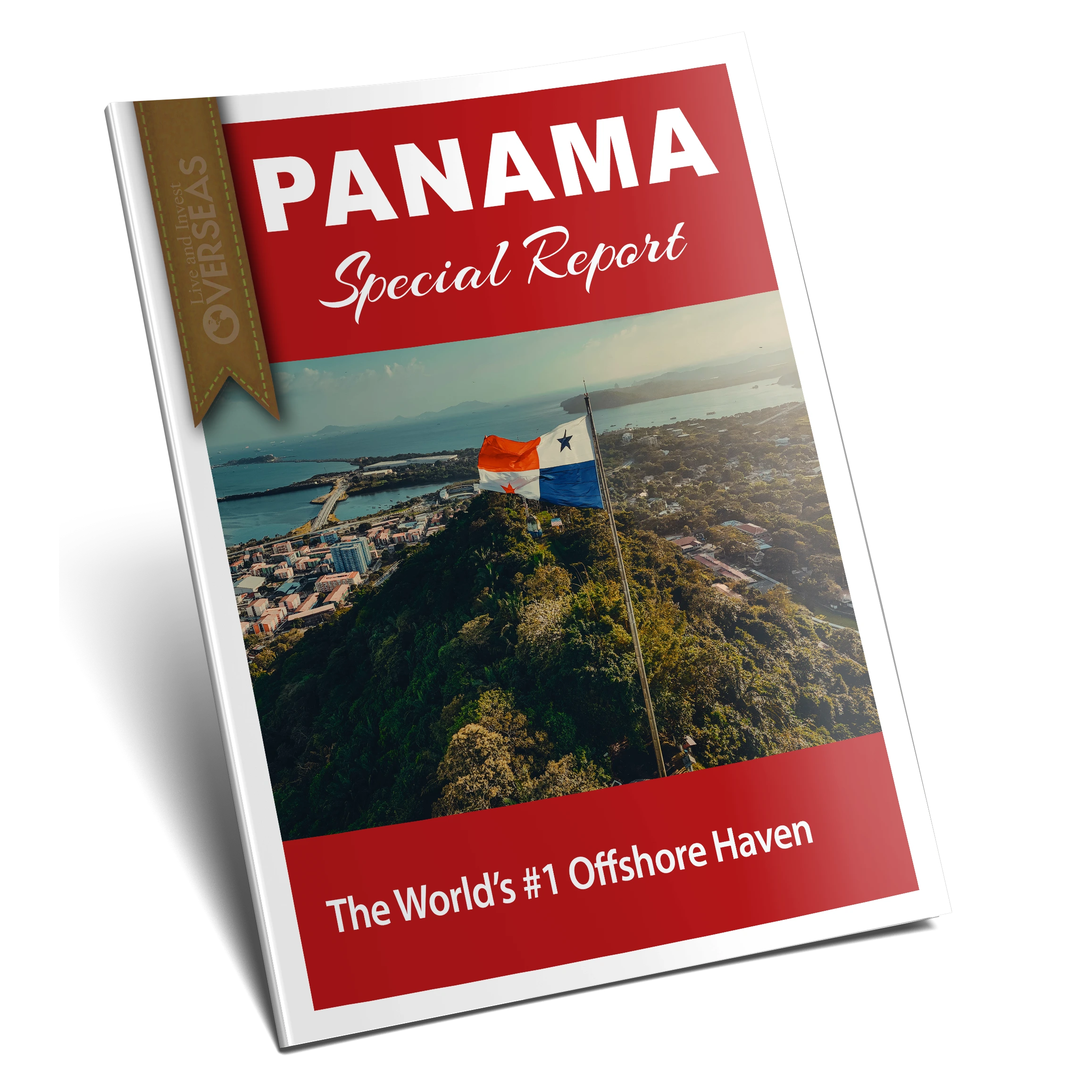
In this special report, international diversification expert Lief Simon evaluates Panama as a jurisdiction for protecting assets, establishing residency, opening an overseas bank account, acquiring a second citizenship, and investing internationally.
The report begins with Panama’s territorial tax system and explains how the country treats locally earned income, foreign-source income, bank interest, business revenue, and certain agricultural income. It also highlights the important differences between the rules affecting Americans and those affecting citizens of other countries.
You’ll receive a practical assessment of Panama’s offshore structures, including corporations, private interest foundations, and limited liability companies. The report explains when these entities may be useful, the compliance obligations involved, and why choosing the wrong structure could produce unwanted tax consequences.
You’ll also learn what opening and maintaining a Panamanian bank account involves, why banks prefer applicants with a connection to the country, and what documentation and deposit requirements you may encounter.
For those considering a Plan B or a permanent move, the report examines Panama’s residency pathways, including its Qualified Investor and Pensionado programs. It also looks at the route to naturalization, the benefits of a Panamanian passport, and the limitations anyone pursuing citizenship should understand.
Finally, the report evaluates investment opportunities in Panama, with a focus on real estate and agriculture. Each of the five principal offshore flags receives a straightforward grade, helping you identify Panama’s greatest strengths and potential drawbacks.
Whether you want to internationalize your finances, establish backup residency, invest abroad, or build a more resilient global lifestyle, this report will help you decide which flags are worth planting in Panama.